
-
Deeptex Batik Vol 36 Cotton Printed Dress Material Collection Latest Designer Stylish Ethnic Casual Wear
Textile Buzz · Surat₹535/pc Set of 10 pcs -
Romani Aarzu Vol 38 Dress Material Collection Latest Designer Stylish Ethnic Traditional Festive Party Wedding Wear
Textile Buzz · Surat₹451/pc Set of 8 pcs
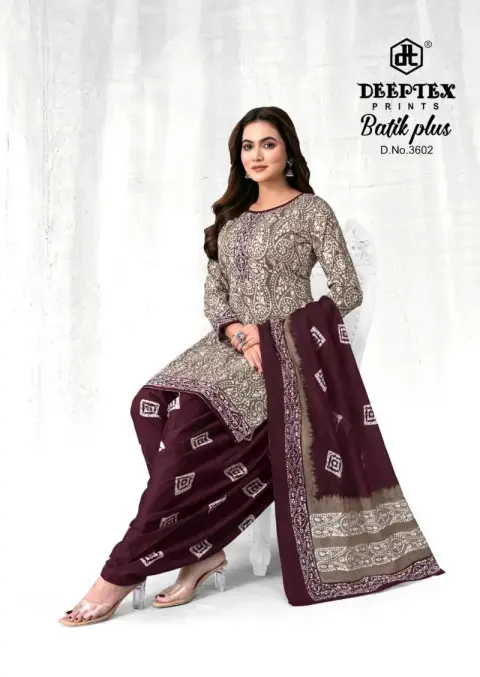
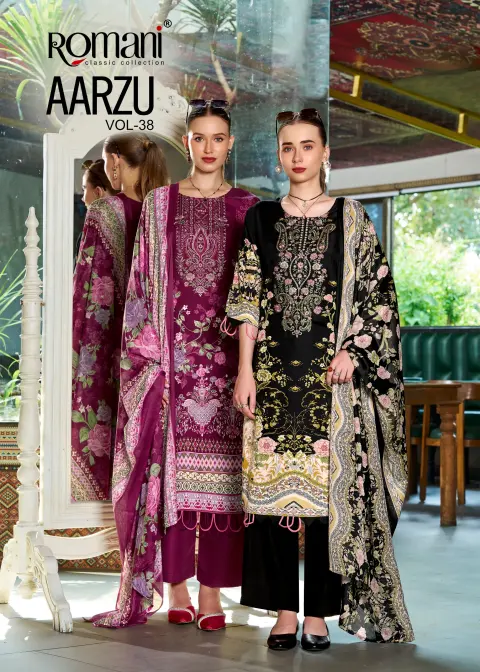
Buying wholesale dress materials
2 wholesale dress material designs are listed by 1 wholesaler in Surat. Listed rates run from ₹451 to ₹535 per piece before GST and shipping.
Unstitched Dress Materials & Salwar Suit Fabrics: Sourcing Guide
Unstitched dress materials (commonly known as salwar kameez fabrics or suit materials) remain one of the most stable, high-margin staples for ethnic retailers across Tier 1, Tier 2, and rural Indian markets. Because unstitched suits are tailored to the customer's bespoke measurements, retailers face zero dead-stock risk related to sizing.
The Anatomy of a Three-Piece Wholesale Suit Set
Every standard unstitched dress material catalogue contains three coordinated fabric components:
- Top (Kameez Fabric): Typically 2.00 to 2.50 metres of fabric featuring front-neck embroidery, digital prints, foil stamping, or jacquard weaves. High-demand fabrics include Jam Cotton, Pure Glace Cotton, Chanderi Silk, Organza, Banarasi Jacquard, and Pashmina/Spun Wool during winter cycles.
- Bottom (Salwar/Churidar/Pant Fabric): Typically 2.00 to 3.00 metres of solid dyed cotton, heavy Shantoon, dull crepe, or Indo-cotton. In northern Indian markets, buyers demand generous 2.70m to 3.00m cuts to comfortably tailor Patiala salwars.
- Dupatta: A full 2.10 to 2.50 metre coordinating scarf in Malmal Cotton, Nazneen, Chiffon, Banarasi Jacquard Silk, Organza with cutwork, or Digital Print Muslin.
Top Sourcing Hubs for Dress Materials
Surat leads the country in synthetic, embroidered, and digital-print designer catalogues centered in markets such as New Bombay Market and Avadh Textile Market. Meanwhile, Ahmedabad is the destination for pure cotton suit materials, Batik prints, Bandhej, and daily-wear summer collections centered around Safal 3, Dhalgarwad, and New Cloth Market.
B2B Buyer Checklist: Verify Meterage Cuts
In wholesale dress material trading, nominal cuts vs. exact cuts are an important factor. Reputable manufacturers specify exact meterage (e.g., Top: 2.40m, Bottom: 2.25m, Dupatta: 2.25m). Always verify cut lengths in the product specifications before ordering, as budget catalogues often reduce cut lengths to lower the price per piece.
Questions about wholesale dress materials
What is the standard fabric cut for wholesale unstitched dress materials?
Standard cuts vary by price point. Regular commercial cuts are Top: 2.00–2.25m, Bottom: 2.00–2.25m, Dupatta: 2.10m. Premium boutique catalogues provide generous cuts: Top: 2.50m, Bottom: 2.70–3.00m (suitable for Patiala salwar), Dupatta: 2.40m.
How are wholesale dress materials bundled for trade?
Dress materials are sold in catalogue book sets (typically 8 to 12 distinct matching designs) or matching color sets (4 to 6 color variants of one embroidery design). Full catalogue boxes include promotional photographs and branded packaging.
Which fabric sells best for summer dress material collections?
Pure 60x60 Cambric cotton, Jam cotton, and Glace cotton are top summer sellers due to their cool, sweat-absorbent qualities. For festive and party collections, Chanderi, Modal silk, and Organza lead sales.
What is the GST rate on unstitched dress materials?
Because unstitched dress materials are sold as three fabric pieces without stitching, they fall under fabric chapters (HSN 5208 for cotton, 5407 for synthetic) and are billed at a flat 5% GST, regardless of the price per suit.